Quick links
- All Listening Room Products
- Listening Room Teacher eBooks
- Listening Room Teacher print Books
- Listening Room support material
- Listening Room Podcast
I’ve been hoping for something like this to come along for a long time. In the short time I have used the program I can see its benefits across all grades. Well done! – Greg Costello, Music Teacher, Figtree Heights Public School, Woollongong
- In the multimedia world of click-throughs and sound bites, are our students processing anything? Are they listening? Are they comprehending? Are they appreciating? Are they responding?
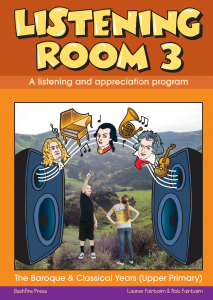
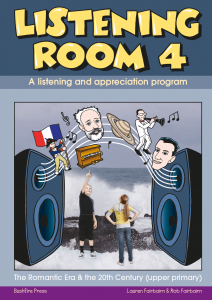
- Do you want to introduce your students to classical music but don’t know how?
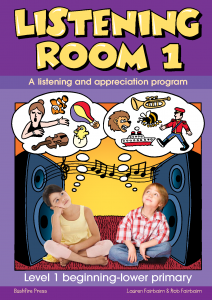
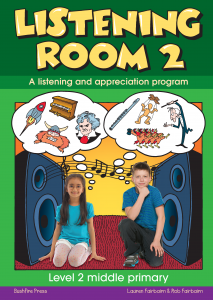
Listening Room invites students to imagine, explore and create. They will listen, move, dance, play instruments & body percussion, role-play, experience relaxation techniques, draw & paint, discuss and reflect, complete quizzes … and be exposed to amazing and timeless classics. They will also be learning (or reinforcing) musical elements – such as beat, rhythm, melody, form, tempo, dynamics, texture, style etc.

Do you need remote learning lessons for your students who are isolating at home?
We have lessons from Listening Room available as podcasts – free during the current home isolation period.
Find the podcast here